We saw this great article from the ALS Association and knew we could add to the conversation surrounding ALS. People with ALS can lose the ability to speak, but making sure they stay connected to their family and friends is something that we’re passionate about....
At Control Bionics, we talk a lot about the power of 3, giving users more speed and less fatigue while using their speech generating device. But what exactly are those access methods and how do they work? This blog will walk through the different methods we offer with...
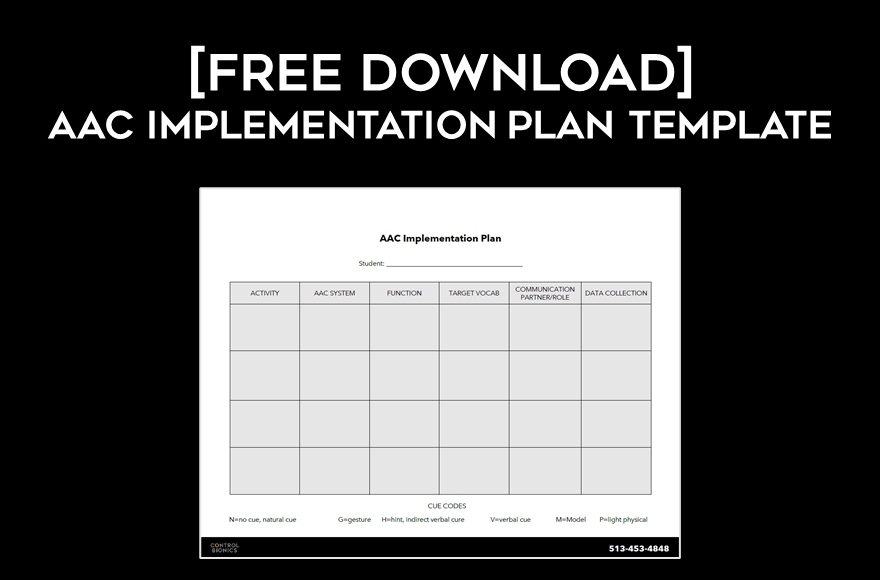
Speech Language Pathologists (SLPs) know that the hardest AAC task is not the evaluation – it’s the implementation of a child’s device once they’ve received it. School-based SLPs typically have very large caseloads and may only get to see their AAC students once...
Rare Disease Day is the globally-coordinated movement on rare diseases, working towards equity in social opportunity, healthcare, and access to diagnosis and therapies for people living with a rare disease. Control Bionics is proud to help people all over the world...
According to the recent paper published by biomedical engineering student Lester Lo at RMIT University, eye gaze combined with EMG switching outperformed traditional eye gaze AAC systems. The study was designed to test the speed and accuracy of an eye gaze...
At AITA 2022, Control Bionics showed the new Cosmos Connect device connected to the NeuroNode Trilogy. The Cosmos Connect is a small, portable device that turns a single NeuroNode sensor into multiple outputs. The device allows up to 8 wired outputs and one Bluetooth...